
Know exactly what you're buying.
You just got a 40-page inspection report full of jargon. Joysts reads it and flags what actually matters, the safety issues, the aging systems, what to raise before you close, and lets you ask anything in plain English. Walk into closing knowing what you're getting into.
Your inspection, turned into a decision.
Pick a finding, the kind buried on page 24 of a real report, and see what Joysts makes of it. This is a taste; on your own report it reads all of them and cites every page.
“Electrical panel is a Federal Pacific Electric 'Stab-Lok.' Recommend evaluation by a licensed electrician.”
These panels are widely linked to breakers that don't reliably trip, a documented fire risk, and many insurers scrutinize or won't cover them.
What to doAsk the seller to replace it or credit the cost before closing. This is real leverage.
Real examples of what Joysts flags, not your home. Sign in with your report and it reads the whole thing, safety first, each finding cited to the page it came from. Your first 3 decodes are free, enough to make sense of your inspection. Complete ($12/mo) adds unlimited decodes and questions, so you can dig into the seller's disclosures and share findings with your agent.
Made for the moment you become an owner, and every year after.
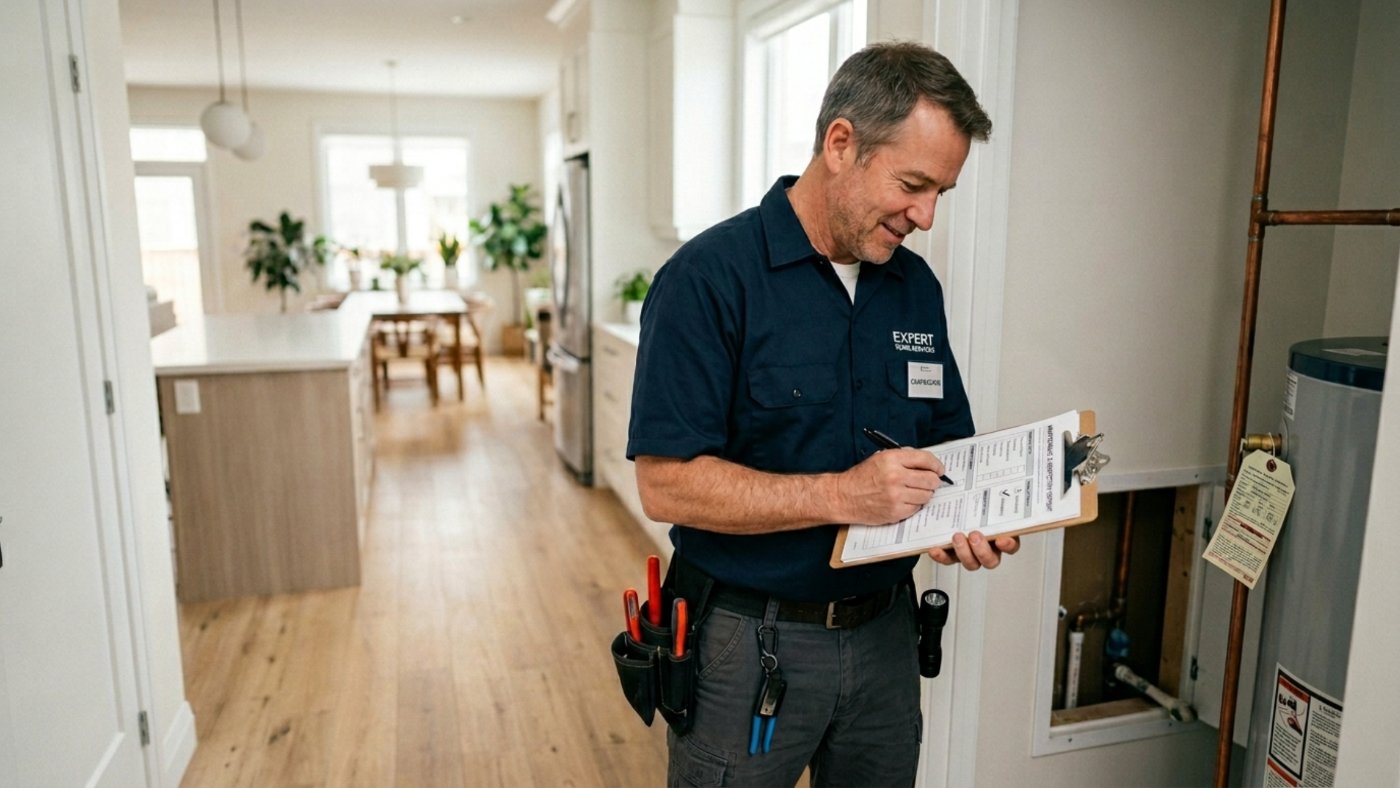
You just bought a home.
Your inspection report is sitting in your email. You have 30 days to do something with it. Joysts turns it into the first chapter of your home's permanent record, and helps you understand what's in it, what to fix first, and what to ask about.
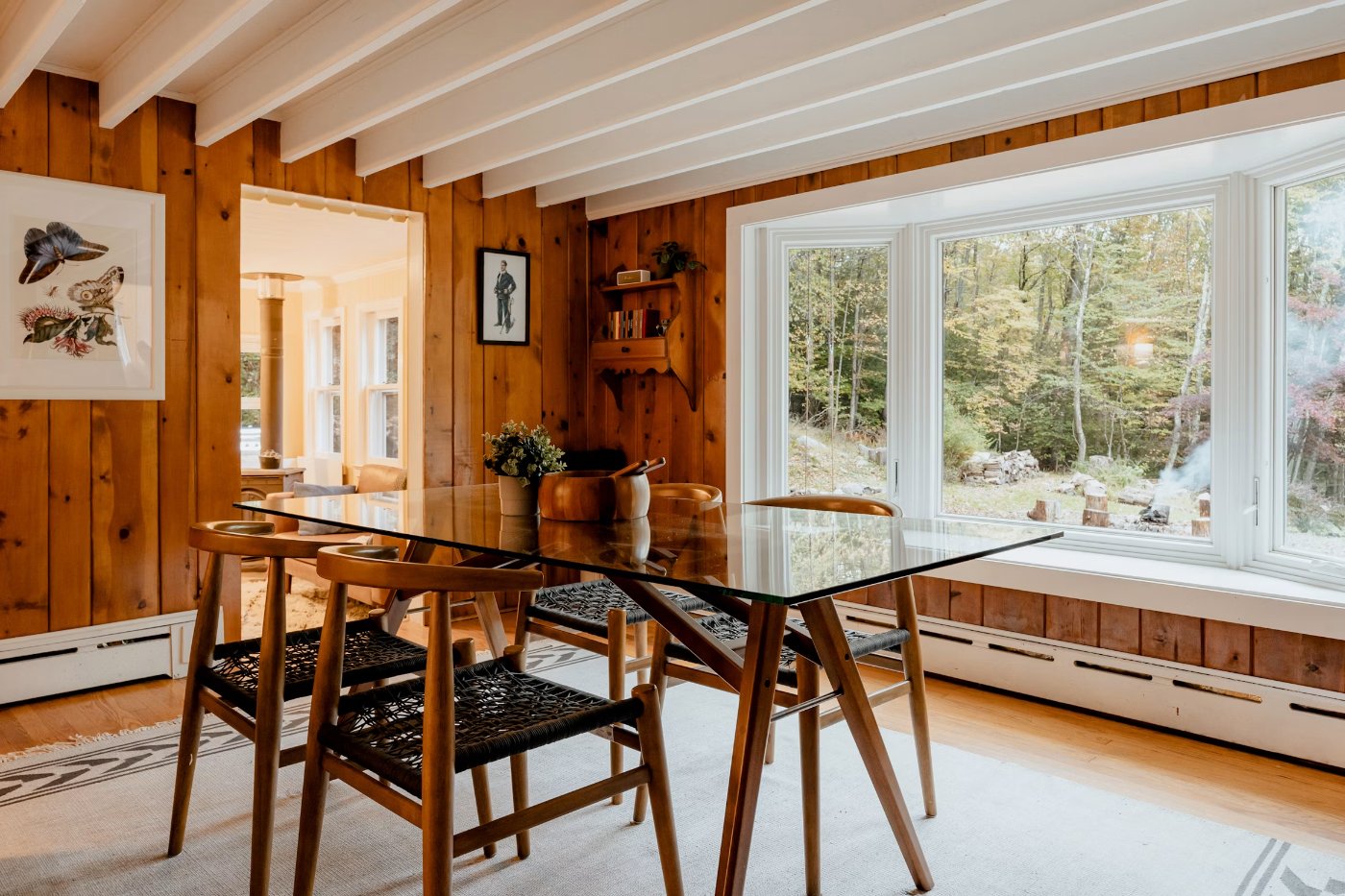
You've owned for years.
You've accumulated a decade of home knowledge: in your head, in folders, in emails, in text threads, in receipts. Joysts pulls it all into one place, fills in the public records you didn't know existed, and answers any question about your house.
Your home generates documents. You lose track of them.
Most of it lives in email, file cabinets, glove compartments, and memory. When you need it (for a permit, a sale, an insurance claim, or a refinance) you're starting from scratch.
Here's how it works.
Start with what you have.
Upload your inspection report and contractor quotes: Joysts reads them deeply, extracting every system, date, model number, cost, and repair into a clean, structured record, each cited to the page it came from. Closing documents, manuals, warranties, and permits are organized and stored right alongside. Your home even gets its own email address: forward a document and it files itself.
Public records, pulled in automatically.
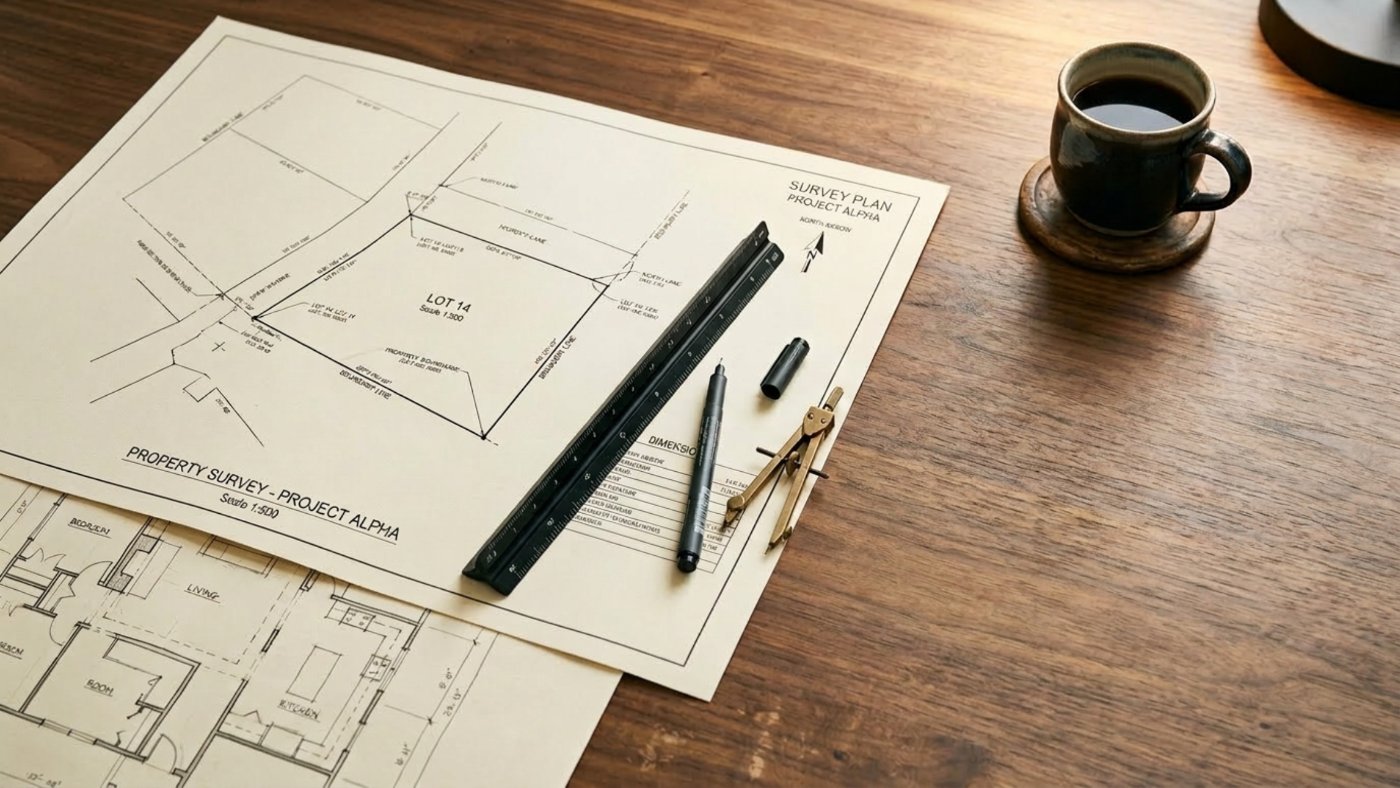
Your parcel details and aerial view. Zoning. Assessed value. Environmental and climate risk. We pull in publicly available data about your property and merge it into your home record, so when you need it, it's already there.
Ask anything about your home.
When was the HVAC installed? Do I need a permit to add a deck? What did we pay the roofer in 2023? Is my well due for testing? Joysts answers questions about your actual home, grounded in your actual documents. Not generic advice from the internet.
Keep building the record.
Every project, every repair, every system upgrade gets added: photos, costs, contractors, warranties, permits. Snap a photo of your water heater or electrical panel and Joysts reads the label (make, model, install year) and files it to the right system. The rest become a browsable gallery of your home, and each year becomes an Annual Almanac: your home's year in review. When it's time to sell, you'll have the most complete record of any house on the market.

Built for the moments that actually matter.
Understanding your home inspection report
A good inspection report is dense: dozens of pages, hundreds of observations, and no obvious priority order. Here is how to make sense of it, and how to keep it useful long after closing.
Read more →New homeowner: your first 90 days
The first few months in a new home set up everything that follows. Beyond the boxes, a little organization now saves real money and stress later. Here is where to start.
Read more →When to replace your water heater
A failing water heater is rarely a surprise, unless you have lost track of how old it is. Here is how to know when replacement is on the horizon, and how to plan for it instead of reacting to a flooded floor.
Read more →How long a roof lasts (and how to budget for it)
A roof replacement is one of the largest single expenses a home will hand you, and one of the most predictable, if you know the roof’s age. Here is how long roofs typically last and how to plan for the bill before it is urgent.
Read more →Seasonal home maintenance, made simple
Most home problems are cheaper to prevent than to fix, and prevention is mostly a matter of doing small things on a schedule. Here is a simple seasonal rhythm, and how to keep it tied to your home’s real systems.
Read more →Do you need flood insurance?
Standard homeowners insurance does not cover flooding, a surprise many owners only discover after water is in the basement. Here is how to think about whether flood insurance is worth it for your home.
Read more →What to check in an older home
The year a home was built tells you a lot about what might be hiding in it. Certain materials and methods were standard in their era and are now known concerns. Here is what to have on your radar.
Read more →Getting your home ready to sell
The homes that sell fastest and for the most tend to be the ones that answer a buyer’s questions before they are asked. A lot of that is about documentation: proof that the house has been cared for.
Read more →Your home tells you what it needs.
Every system you document gets a seasonal calendar: filters quarterly, septic levels yearly, gutters before the fall rains. A quiet bell in the app, one calm Weekly Pulse email when something's actually due, and live weather alerts for your address when it matters — never more than one email a week, skipped entirely when there's nothing to say.
You decide what reaches you. Turn categories on or off, or the whole email, in one place — and every email carries a one-click unsubscribe. A reminder should feel like a butler, never a smoke detector.
Joysts understands your home, not just any home.
Generic AI gives generic advice. Joysts works from your home's actual documents: your inspection, your permits, your records, your project history. It cites what it knows, shows you where it came from, and tells you when it isn't sure. You stay in control.
The most expensive thing you'll ever own. The least organized.
The average American home is over 40 years old. The average owner has no record of when major systems were installed, what's been repaired, what permits exist, or what's coming next.
Meanwhile, the cost of being uninformed is going up. Insurance carriers reward documented homes. Buyers pay more for documented homes. Cities require more documentation for projects. The homeowners who treat their home as a managed asset, not a stack of papers, are the ones who come out ahead.
Start your home's record today.
Create your account and start building your home record in minutes. Joysts begins with your address and public records, then grows with every document, photo, and note you add.
No spam, ever. Your home record is yours: download the whole thing as an organized archive anytime. We design everything around you staying in control of your data.
Create your free account
It takes a minute. Add your address and we'll start pulling your public records right away.
Get started, it's freeAlready have an account? Sign in
Answers for the curious homeowner.
Something we didn't cover? Reach out any time.